Active Learning
IN THIS LESSON
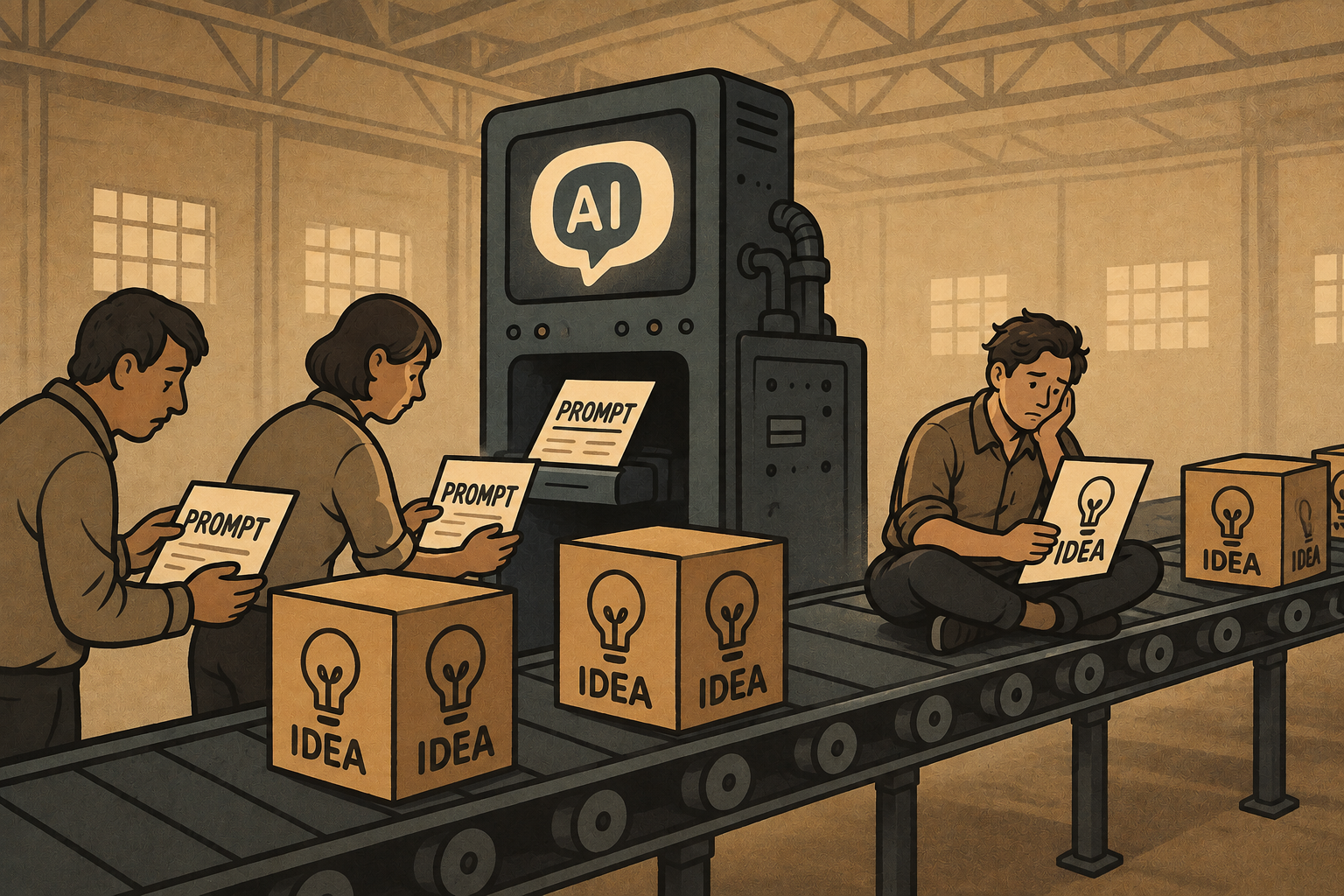
What if the problem with AI in education isn't that students use it to cheat—but that they use it to avoid the very thinking that produces learning?
Generative AI can explain, summarize, organize, connect, and reason through course material with remarkable ease. Unfortunately, those are also many of the cognitive activities students need to perform themselves in order to learn.
This presentation explores the risks of cognitive offloading and pseudoskilling—and asks a seemingly paradoxical question: Can we design AI-powered assignments that make students think more, rather than less?
Topics Discussed
How deep processing, association, and chunking contribute to learning
Why generative AI creates new opportunities for cognitive offloading
Pseudoskilling: apparent competence without the cognitive structures required for independent performance
Factors that can encourage overreliance on AI, including cognitive overload, time pressure, low motivation, and inconsistent guidance
Designing AI activities around a human-first principle: students think before AI intervenes
The AI Concept Mechanic for diagnosing and repairing misconceptions
The AI Trainer for retrieval practice and metacognitive calibration
The Error Detective for evaluating rather than automatically trusting AI output
Teach the AI activities that require students to explain and elaborate
Summative ALEXs that use AI-powered scenarios to promote integration, application, and transfer
Why the ultimate goal of introductory instruction should be machine-independent knowledge, not merely better machine-assisted performance

AI Teaching Strategies • Take-Home Toolkit
Human-First AI Learning Activities
Low-tech templates requiring no custom website, coding, or specialized software. Replace the bracketed material with content from your course and let AI support the learning without doing the learning for students.
Give the cognitive work to the student. Give AI a supporting role.